

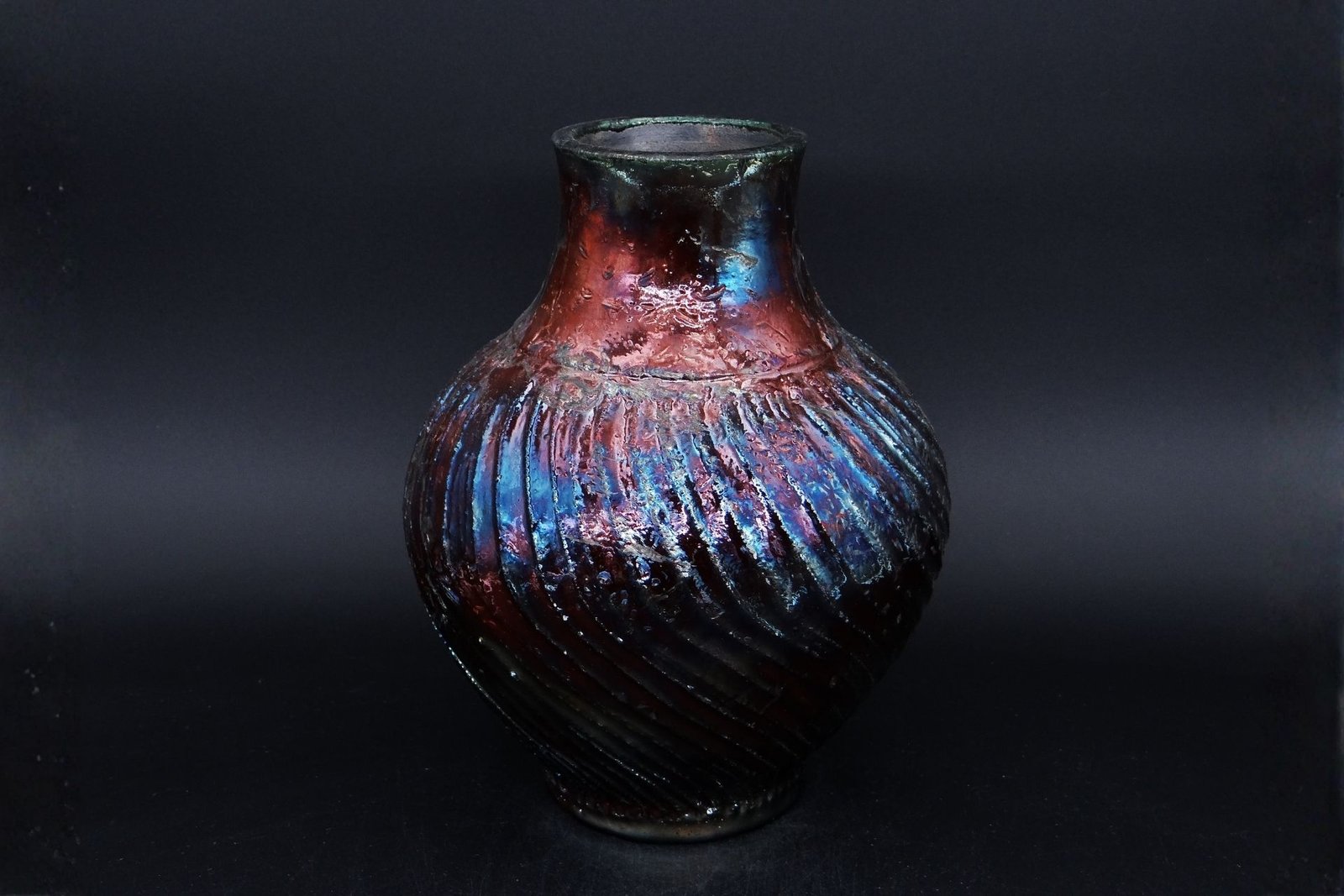
Every finished ceramic piece begins as a simple lump of clay. What it becomes depends on skill, timing, and a carefully controlled process that transforms soft earth into something permanent.
At Jonathan Ng Pottery, each piece goes through multiple stages before it’s ready to be used and enjoyed.
Step 1: Preparing the Clay
The process starts with wedging—kneading the clay to remove air bubbles and create a consistent texture. This step is essential for preventing cracks or breakage later on.
Step 2: Throwing on the Wheel
Once prepared, the clay is placed on a spinning wheel. The artist centers it, then begins shaping it by hand.
This is where form takes shape—whether it’s a mug, bowl, or vase. The pressure of the hands, the speed of the wheel, and the moisture of the clay all influence the final result.
Step 3: Drying and Trimming
After shaping, the piece must dry to a leather-hard state. At this point, it’s firm enough to handle but still workable.
The base is trimmed, excess clay is removed, and finer details are refined.
Step 4: First Firing (Bisque)
The piece is then fired in a kiln at a lower temperature. This process, known as bisque firing, removes remaining moisture and hardens the clay.
After this stage, the piece is durable but still porous.
Step 5: Glazing
Glaze is applied to add color, texture, and a protective finish. This step can dramatically change the appearance of the piece.
Glazes may look dull or powdery before firing—but in the kiln, they transform.
Step 6: Final Firing
The glazed piece is fired again at a higher temperature. This is where the magic happens—the glaze melts, fuses to the clay, and develops its final color and finish.
Each firing is slightly unpredictable, making every piece truly one of a kind.
The Beauty of the Process
What makes handmade pottery so special is not just the final product, but everything that goes into it.
Time, precision, and a deep understanding of materials all play a role. From the first touch of clay to the final firing, each step is an act of craftsmanship.
When you bring a handmade ceramic piece into your home, you’re bringing in more than just an object—you’re bringing in a process, a story, and a piece of art shaped by hand.
And that’s what makes it truly meaningful.